
The Allure of Casino Gaming
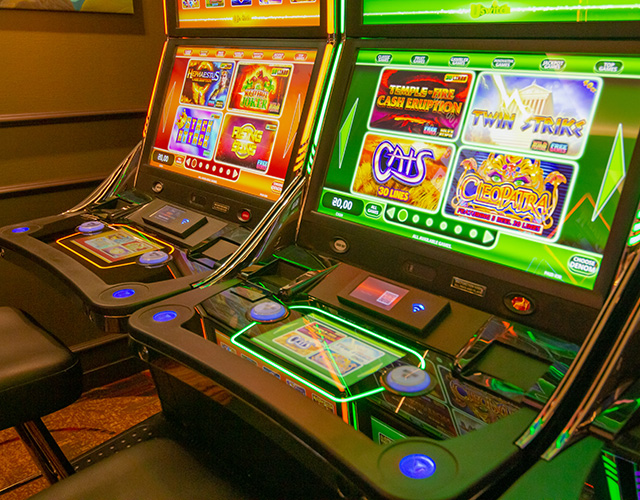
The psychology behind casino gaming is a multifaceted subject that delves into the allure of the gambling environment. Casinos are designed to capture attention through vibrant colors, engaging sounds, and strategically placed games. This sensory overload creates an atmosphere that stimulates excitement and anticipation, drawing players into the experience. For many individuals interested in thrill-seeking, non gamstop betting sites can also enhance the sense of adventure. The thrill of possibly winning big often outweighs the risks, encouraging individuals to play longer than they initially intended.
Furthermore, the design of casino spaces often plays on the concept of loss aversion, a psychological phenomenon where losses have a greater emotional impact than equivalent gains. Gamblers may feel compelled to continue playing in hopes of recouping losses. This dynamic can lead to a cycle of persistent gameplay, which further cements the casino’s appeal as a place of excitement and hope, despite the inherent risks involved.
The Role of Superstitions and Beliefs
Superstition plays a significant role in the psychology of casino gaming. Many players harbor specific beliefs about luck, rituals, and strategies that they believe can influence their chances of winning. For instance, some may wear lucky clothing or perform certain actions before placing bets, convinced that these rituals can sway fortune in their favor. Such behavior highlights the human desire for control amidst the randomness of gambling outcomes.
These superstitions not only enhance the gaming experience but also offer a psychological comfort that can mitigate the anxiety associated with potential losses. Players often seek patterns in random outcomes, developing their own narratives to explain wins and losses. This tendency can reinforce gambling habits, as individuals may perceive a deeper meaning in their gaming experiences, thus delaying the realization of their losses.
The Impact of Social Interaction
Social interaction is another significant psychological factor influencing casino gaming habits. Many individuals view casinos as social venues, where they can bond with friends or meet new people. The shared experience of gaming can foster a sense of community, making the act of gambling more enjoyable. The thrill of winning is often amplified when shared with others, leading to an enhanced gambling experience.
This social aspect may also encourage players to gamble more than they otherwise would on their own. The presence of others can lead to competitive spirits, impulsive decisions, and a desire to fit in, driving players to engage in riskier bets. Casinos often capitalize on this social dynamic by creating environments that facilitate interaction, such as communal tables and lounges, further embedding gambling into social culture.
The Effects of Marketing and Promotions
Marketing strategies employed by casinos play a crucial role in shaping gambling habits. Aggressive advertising campaigns and enticing promotions create a sense of urgency and exclusivity, compelling potential gamblers to act quickly. These promotions can often lead to feelings of excitement and anticipation, which are key drivers in the decision to gamble. Players may feel incentivized to visit casinos, especially when faced with opportunities such as bonuses or special event nights.
Moreover, targeted marketing can influence specific demographics, creating tailored experiences that resonate with different groups. Personalized offers based on past gaming behavior can encourage repeat visits. This manipulation of consumer behavior through marketing reinforces gambling habits, as players may return to take advantage of promotions, often leading to prolonged gaming sessions that might exceed their original intentions.
Understanding Responsible Gaming
In light of the complex psychology behind casino gaming, it is crucial to advocate for responsible gaming practices. Many casinos are taking steps to promote awareness about gambling addiction and providing resources to help individuals manage their gaming habits. Initiatives include offering self-exclusion programs and providing information on responsible gambling protocols.
By fostering a safer gaming environment, casinos can help mitigate the negative effects associated with excessive gambling while enhancing the overall gaming experience. Responsible gaming practices emphasize the importance of understanding one’s limits and approaching gambling as a form of entertainment rather than a means of income, encouraging a healthier relationship with gaming.