Exploring the psychological triggers that drive gambling behavior
The Allure of Risk and Reward
The thrill of gambling is often tied to the psychological appeal of risk and reward. For many players, the potential of winning a large sum creates a compelling incentive to engage in gambling activities. This excitement can trigger the release of dopamine, a neurotransmitter associated with pleasure and reinforcement, reinforcing the behavior. The anticipation of a win can lead to heightened emotional states, creating a cycle that encourages continued gambling. Players can experience this rush at platforms like 1Win, where the chances of winning are tantalizingly close.

Moreover, the psychology of risk-taking varies among individuals. Some may view gambling as a calculated risk, while others are drawn to the adrenaline rush associated with chance. This mix of thrill and potential reward feeds into a gambler’s psyche, often overshadowing the possible negative consequences that accompany gambling behavior.
The Illusion of Control
One of the most prevalent psychological triggers in gambling is the illusion of control. Many gamblers believe that they can influence the outcome of games through skill or strategy, even in inherently random games like slot machines or roulette. This misperception can lead to increased gambling, as players often feel empowered by their perceived ability to ‘beat the odds.’
This illusion can be especially dangerous, as it encourages individuals to gamble more frequently and stake larger amounts. Understanding this psychological phenomenon is crucial for both gamblers and those looking to support them, as recognizing the limits of personal control can help mitigate irresponsible gambling behaviors.
The Role of Social Influence
Social dynamics significantly impact gambling behavior. Many individuals find comfort and excitement in group settings, whether at a physical casino or online platforms. The communal experience of gambling can amplify the enjoyment and, consequently, the frequency of participation. Social proof—seeing others win or enjoy themselves—can trigger similar behaviors in onlookers, creating a cycle of increased gambling.
Furthermore, the presence of peer pressure can influence an individual’s decision-making. Friends and family members can unintentionally encourage gambling through their behaviors and attitudes, leading to a collective normalization of the activity. Understanding these social triggers can provide insights into gambling habits and motivate individuals to engage in healthier decision-making regarding their gambling practices.
The Escapism Factor
For many, gambling serves as an escape from everyday stresses and challenges. The immersive experience of gambling can provide a temporary distraction, allowing individuals to forget their problems and lose themselves in the game. This psychological escape can become addictive, leading players to seek gambling as a means of coping rather than confronting underlying issues.
Additionally, the allure of gambling as a form of entertainment can mask its potential dangers. People may justify their gambling habits as harmless fun, overlooking the risks of addiction. Acknowledging the escapism aspect can help individuals understand their motivations and make more informed choices regarding their gambling activities.
Safe Gambling Experiences at 1Win
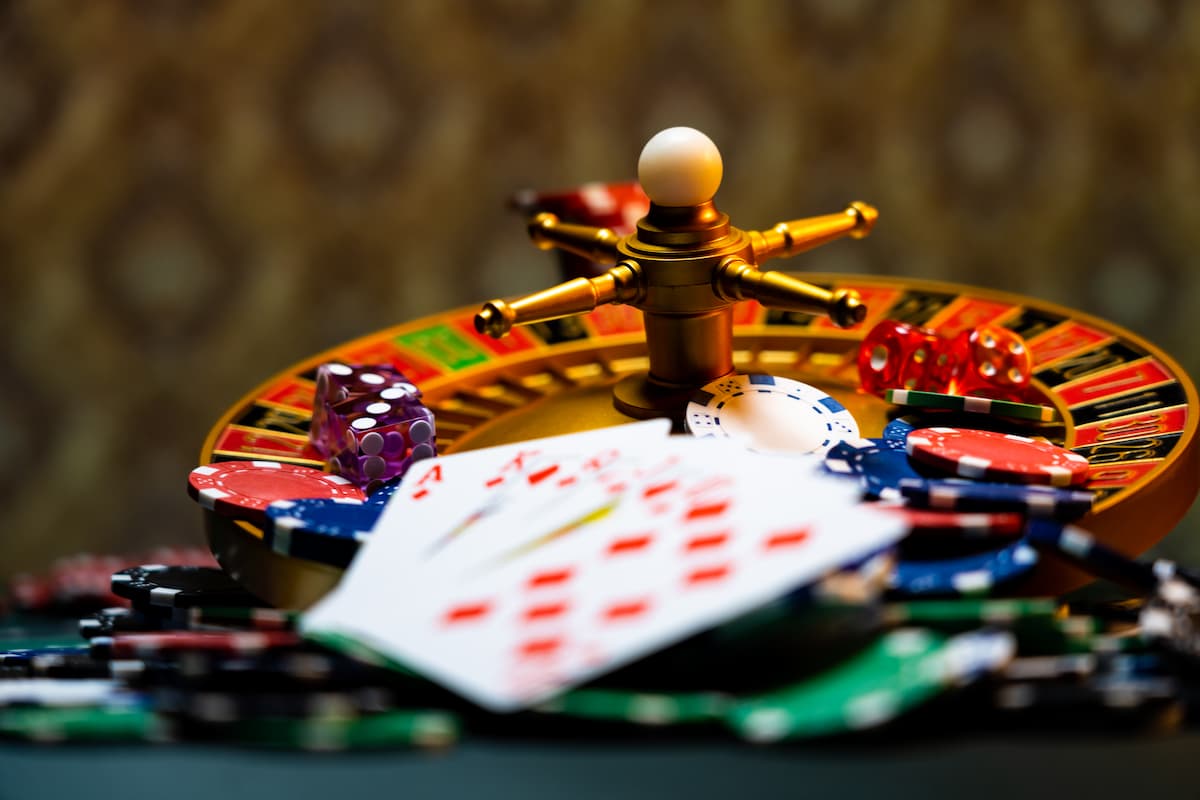
1Win offers a secure and enjoyable gambling environment tailored for those seeking an exciting gaming experience. With a vast selection of games, including over 10,500 slots and various table games, players can indulge their interests in a safe space. The platform also emphasizes responsible gambling practices, encouraging players to engage with awareness and mindfulness.
Furthermore, 1Win provides excellent customer support and convenient payment options, making it accessible to a wide audience. The combination of entertainment and safety positions 1Win as a premier choice for both seasoned gamblers and newcomers looking to explore the psychological triggers driving their gambling behavior.